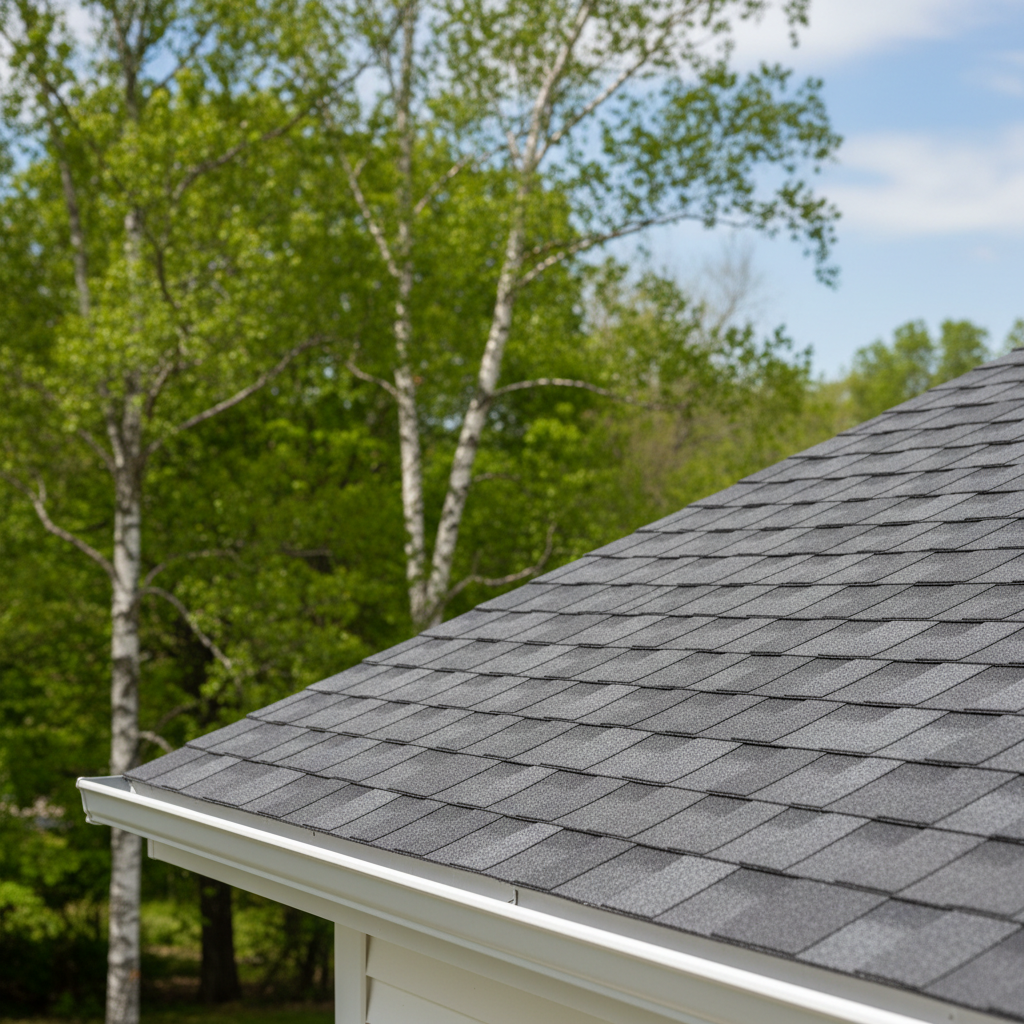
What's the real lifespan of an asphalt shingle roof around here?
That's probably the most common question I get, and it's a good one because the answer isn't always straightforward. Most manufacturers will slap a 25-year, 30-year, or even 'lifetime' warranty on their shingles. But let's be real, those numbers are often under ideal conditions. Here in Lexington, we've got some pretty tough weather. We see everything from heavy snow loads that sit for weeks, to ice dams forming in those older, less insulated homes in the Merriam Hill area, and then scorching summer sun. All of that takes a toll.
In my experience, a good quality architectural shingle, properly installed by a crew like mine at Skyline Roofing & Siding, will typically last you 20-25 years. Three-tab shingles, which you don't see as much anymore, usually top out around 15-20 years. If you're seeing signs of wear like curling, cracking, or lots of granule loss around the 15-year mark, it's definitely time to get it checked out. Don't wait until you've got a leak.
How do I know if my roof just needs a repair or a full replacement?
This is where an honest assessment from a pro really comes in handy. Sometimes, a few missing shingles from a windstorm or a small leak around a vent pipe is just that – a repair. We can match the shingles, fix the flashing, and you're good to go for a while longer. But if you're seeing widespread issues, like granules filling your gutters, multiple areas of curling or buckling, or if your roof is nearing the end of its typical lifespan, then a repair might just be a band-aid. You're throwing money at a problem that's going to keep popping up.
I always tell folks: if the cost of the repair starts getting close to 25-30% of what a new roof would cost, and the roof is already old, it's usually smarter to bite the bullet and replace it. You get a fresh start, a new warranty, and peace of mind for decades.
What's the deal with ventilation? Does it really matter that much?
Oh, it matters. A lot. Proper attic ventilation is absolutely critical for the health of your roof and your home. Think of it this way: your attic needs to breathe. In the summer, good ventilation lets hot air escape, which keeps your attic cooler and prevents heat from building up and cooking your shingles from underneath. That heat can drastically shorten shingle life and make your AC work overtime.
In the winter, ventilation helps prevent moisture buildup. Warm, moist air from your living space can rise into the attic, condense, and lead to mold, mildew, and even rot in your roof decking. It also plays a huge role in preventing ice dams. If your attic is too warm, snow on your roof melts, runs down to the colder eaves, and refreezes, creating those damaging ice dams. So yes, proper intake and exhaust ventilation – whether it's ridge vents, soffit vents, or gable vents – is non-negotiable for a long-lasting roof and a healthy home.
Are those 'cool roof' shingles worth the extra cost?
That's a good question, especially with summers getting hotter. 'Cool roof' shingles are designed to reflect more sunlight and absorb less heat than traditional asphalt shingles. They usually have special granules that are more reflective. For us here in New England, they can definitely offer some benefits.
You might see a slight reduction in your attic temperature and potentially lower cooling costs during those hot, humid stretches. However, the energy savings aren't always as dramatic as you might hear for homes in, say, Arizona. We still have significant heating seasons where a bit of solar gain isn't a bad thing. The upfront cost is usually a bit higher too. My advice? If you're already replacing your roof and the cost difference isn't huge, it's a nice upgrade. But if you're on a tight budget, focusing on excellent attic insulation and ventilation will likely give you more bang for your buck in terms of energy efficiency.
How often should I have my asphalt roof inspected?
I recommend a professional inspection at least every two to three years. And definitely after any major storm with high winds, heavy hail, or significant snowfall. You can do a quick visual check yourself from the ground after a storm – look for missing shingles, obvious damage, or debris. But a professional will get up on the roof, check flashings, look for granule loss, assess the condition of seals, and spot potential issues you might miss.
It's like getting your car's oil changed; regular check-ups catch small problems before they become big, expensive ones. A small crack in flashing caught early can save you from a major leak and costly interior damage down the road.
What's the best way to deal with moss and algae on my shingles?
Moss and algae are pretty common around here, especially on north-facing slopes or areas shaded by trees. That green or black streaking isn't just an eyesore; it can actually hold moisture against your shingles, leading to premature deterioration. For algae, many modern shingles come with copper granules that inhibit growth, which is great. If you've got existing algae, you can often clean it with a gentle, low-pressure wash using a specific roof cleaning solution – never a high-pressure washer, that'll blast off granules.
Moss is a bit trickier. It's thicker and can lift shingles, allowing water underneath. You can carefully brush it off, but again, be gentle. There are also zinc or copper strips that can be installed near the ridge; as rain washes over them, it releases ions that inhibit growth further down the roof. The key is to address it before it gets out of hand. If you're unsure, or if your roof is steep, call a pro. It's not worth a fall.