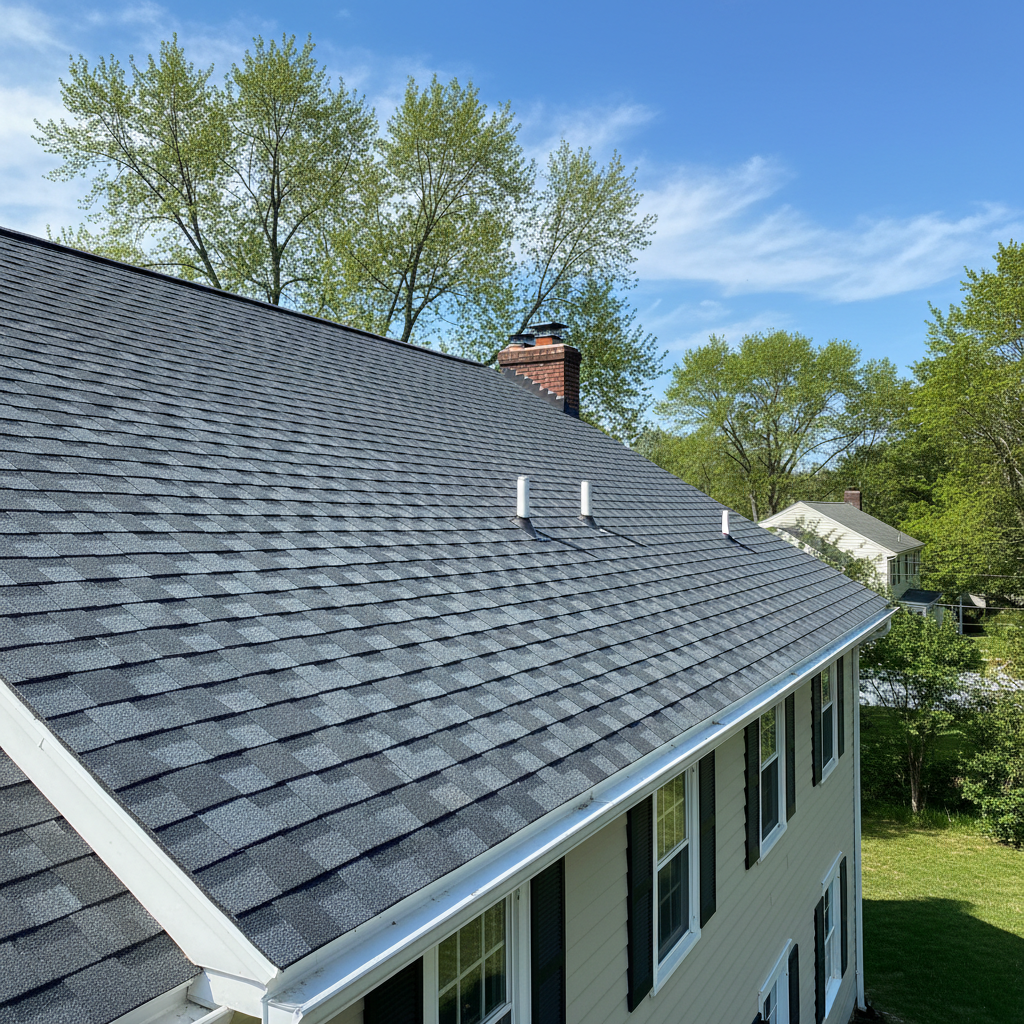
So, you've just put a shiny new roof on your Lexington home. Maybe it was a full replacement, or perhaps it was for a new build. Either way, you've made a real investment, and you want it to last, right? Of course you do. A roof isn't a 'set it and forget it' kind of deal, especially not here in Massachusetts where our weather can be pretty brutal. We see everything from heavy snow loads and ice dams in winter to torrential downpours and strong winds during hurricane season. Taking care of your roof after installation is key to getting every last year out of it.
Extending Your Roof's Lifespan in Our Climate
The biggest thing you can do to make your roof last longer is pretty simple: keep it clean and clear. I know, sounds too easy, but it's true. Here in Lexington, we've got plenty of mature trees, especially in neighborhoods like Meriam Hill or the older parts of town. Those trees are beautiful, yes, but they drop leaves, needles, and small branches all over your roof and into your gutters. That debris holds moisture, which can lead to rot, mold, and even damage your roofing materials over time. It also clogs gutters, and that's a fast track to ice dams in the winter.
Another big one is ventilation. If your attic isn't properly ventilated, heat and moisture can build up. In winter, that heat can melt snow on your roof, which then refreezes at the eaves, forming ice dams. Those dams can force water back up under your shingles and right into your home. In summer, poor ventilation bakes your shingles from underneath, shortening their lifespan significantly. Make sure your attic isn't getting too hot or too humid.
What Regular Maintenance Looks Like
You don't need to be up on your roof every weekend, but a couple of times a year, usually in the spring and fall, is a good idea. Or, if you're not comfortable doing it yourself, have a professional do it. Here's what I'd recommend looking for:
- Clear those gutters: This is non-negotiable. Clogged gutters are the enemy of a long-lasting roof. Clear out leaves, twigs, and any other gunk. Make sure downspouts are clear too.
- Trim back trees: If you've got branches hanging over or touching your roof, trim them back. They can scrape shingles, drop debris, and give squirrels or other critters an easy path to your attic.
- Check for moss and algae: Green or black streaks aren't just ugly; they can hold moisture and degrade your shingles. You can gently clean these with a specific roof cleaning solution, but be careful not to damage the granules.
- Inspect flashing: Pay attention to the metal flashing around chimneys, skylights, vents, and wall junctions. These are common spots for leaks, after all. Look for cracks, rust, or separation.
- Look at your shingles: Are they lying flat? Are there any missing, cracked, curled, or blistering shingles? Are the granules wearing off in patches? Granule loss is a sign your shingles are aging.
A good pair of binoculars can help you do a lot of this from the ground if you're not comfortable on a ladder. Safety first, always.
Warning Signs You've Got a Problem
Sometimes, your roof will tell you it's got an issue before it becomes a full-blown disaster. You just need to know what to listen for, or rather, look for. Inside your home, keep an eye out for:
- Water stains on ceilings or walls: These are obvious, but sometimes they start small and are easy to miss. Especially check around fireplaces or in attic spaces.
- Peeling paint or damp spots: These can indicate moisture intrusion, even if it's not a full-blown drip.
- Musty odors in your attic: This is a big red flag for mold or mildew growth, which means moisture is getting in somewhere.
Outside, besides the shingle issues I already mentioned, look for sagging sections of your roof, especially near the valleys or eaves. A sagging roof deck can indicate structural problems or significant water damage. Also, if you see a lot of shingle granules in your gutters or on the ground around your home, that means your shingles are losing their protective layer and are nearing the end of their life.
When to Call a Professional
Look, I'm a contractor, not a salesman. I'm telling you this because I've seen too many homeowners wait too long. You should definitely call Skyline Roofing & Siding if:
- You spot any of the warning signs: Don't try to patch a leak yourself unless you really know what you're doing. A small leak can turn into major structural damage fast.
- After a major storm: High winds, hail, or heavy snow/ice can do damage you can't see from the ground. It's smart to get a professional inspection.
- You're uncomfortable with heights or don't have the right equipment: Seriously, safety is important. Don't risk a fall just to save a few bucks. We've got the gear and the experience to do it safely.
- You're seeing recurring issues: If you're constantly clearing the same clogged spot or finding new leaks, it's time for a deeper look.
A little proactive maintenance and knowing what to look for can seriously extend the life of your roof and save you from costly repairs down the road. It's all about protecting your home and your investment.