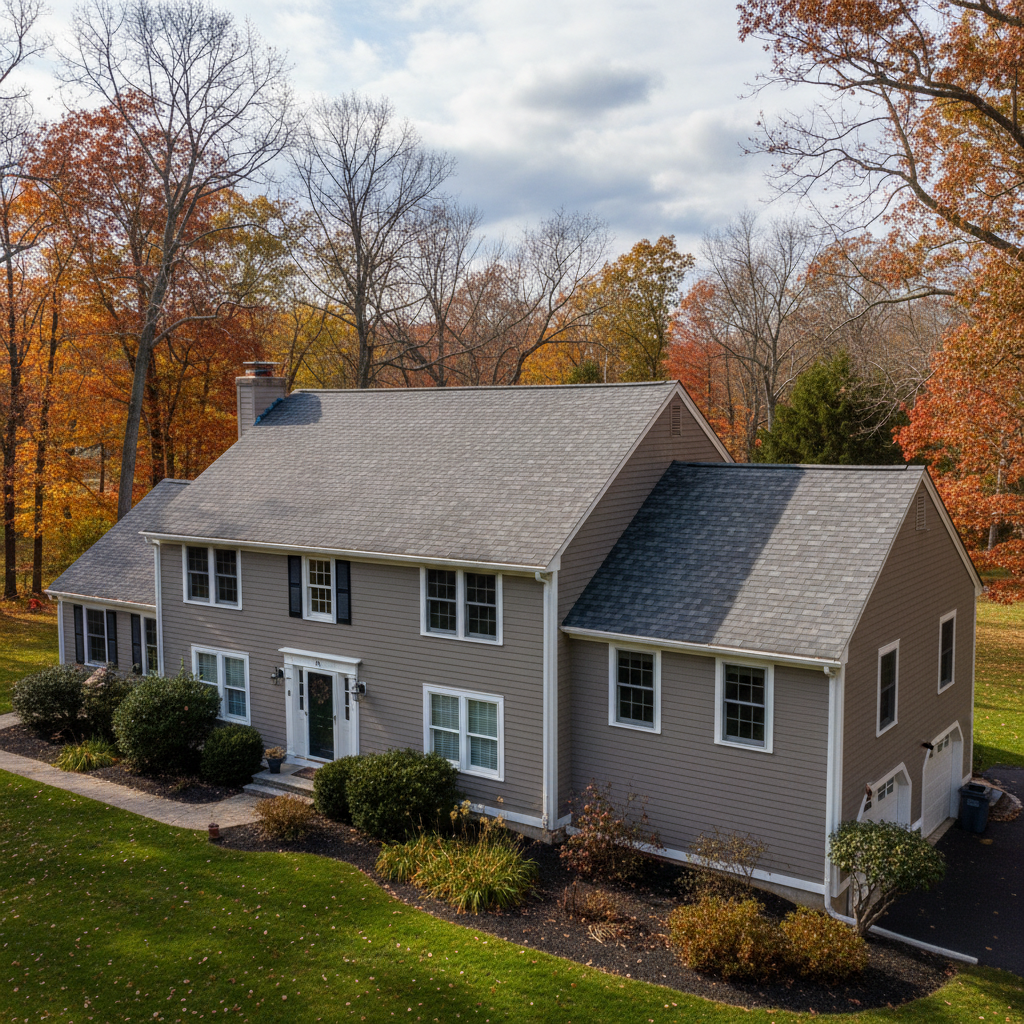
So, you're thinking about getting a new roof. It's a pretty big deal, a real investment, and naturally, you want it done right — and at the right time. Here in Lexington, our weather can get pretty wild, and that means picking the moment for your roof replacement isn't just about when you're free. It’s also about making sure the materials and the crew can actually do their best work.
Understanding Our Local Weather & Your Roof
Our climate around here, with those harsh winters and humid summers, really puts a roof through its paces. Think about it: you've got heavy snow loads that can sit for weeks, then those constant freeze-thaw cycles that just wreak havoc on shingles and flashing. Then summer rolls around, bringing scorching days that bake everything. All of this plays a part in when and how a new roof should go on.
The biggest factor for a quality roof installation? Temperature. Shingles, especially asphalt ones, need to be warm enough to seal properly. We call that 'thermal sealing.' If it's too cold, those adhesive strips won't activate, and your shingles won't bond together. That leaves them wide open to wind uplift, which is absolutely the last thing you want on a brand-new roof. On the flip side, extreme heat can make shingles too soft, making them easy to damage during installation or even causing them to 'bleed' asphalt. It's a delicate balance, truly.
The Best Times to Schedule Your Roof Replacement
From what I've seen over the years, the sweet spot for roof replacement in Lexington is usually spring and fall. These seasons offer the most consistent, moderate temperatures, which is just ideal for handling materials and getting everything installed correctly.
- Spring (Late April to June): Once the last of the winter chill has finally packed up and daily temperatures are reliably above 45-50 degrees Fahrenheit, spring is fantastic. The ground isn't frozen, the days are getting longer, and we usually get a good stretch of dry weather before the summer humidity really kicks in. It's a popular time, so if you're aiming for spring, you'll definitely want to get on the schedule early.
- Fall (September to Early November): This is another prime window. The summer heat has broken, but it's not yet freezing. The air is crisp, and the temperatures are usually perfect for shingle adhesion. Plus, getting a new roof on before the heavy snows and ice of winter hit means your home is well-protected when it really counts. Just like spring, fall slots tend to fill up fast.
Now, can you replace a roof in other seasons? Sure, sometimes you have to. If you have an emergency leak in January, you simply can't wait. We can install roofs in colder weather, but it requires different techniques and materials, like using hand-sealing for shingles, which adds to labor time. It's not ideal, but it's definitely doable when necessary. Summer installations are also possible, but we have to be really mindful of those scorching days. We might start earlier in the morning or adjust our schedule to avoid the peak heat, especially if we're working on a west-facing slope that gets absolutely baked all afternoon.
Protecting Your Investment Year-Round
Once that new roof is on, you'll want to protect it. It's not just about the installation; it's about what you do afterward. Here are a few things I always tell homeowners:
- Keep Gutters Clean: This is huge. Clogged gutters lead to ice dams in winter and water backing up under your shingles. In older Lexington homes, especially those with original gutter systems, this is a common issue. Clear out those leaves and debris, especially after fall.
- Trim Overhanging Branches: Branches rubbing on your roof or dropping heavy loads of leaves and debris can wear down shingles or even cause punctures. Plus, during a heavy snow or wind storm, a falling branch can do serious damage.
- Regular Visual Checks: You don't need to climb up there yourself, but from the ground, take a look after big storms. See any missing shingles? Any obvious damage? Catching small issues early can save you a lot of headache and money down the road.
- Proper Attic Ventilation: This is critical for the longevity of your roof and your home's energy efficiency. Good ventilation prevents heat and moisture buildup in your attic, which can cook your shingles from underneath in summer and contribute to ice dams in winter. If your attic feels like an oven in July, you probably need better ventilation.
Choosing the right time for your roof replacement is a smart move. It ensures the materials perform as they should and gives you the best possible outcome for your investment. We at Skyline Roofing & Siding are always happy to talk through your specific situation and help you plan the best time for your project. Don't hesitate to reach out if you've got questions or want to get a quote.