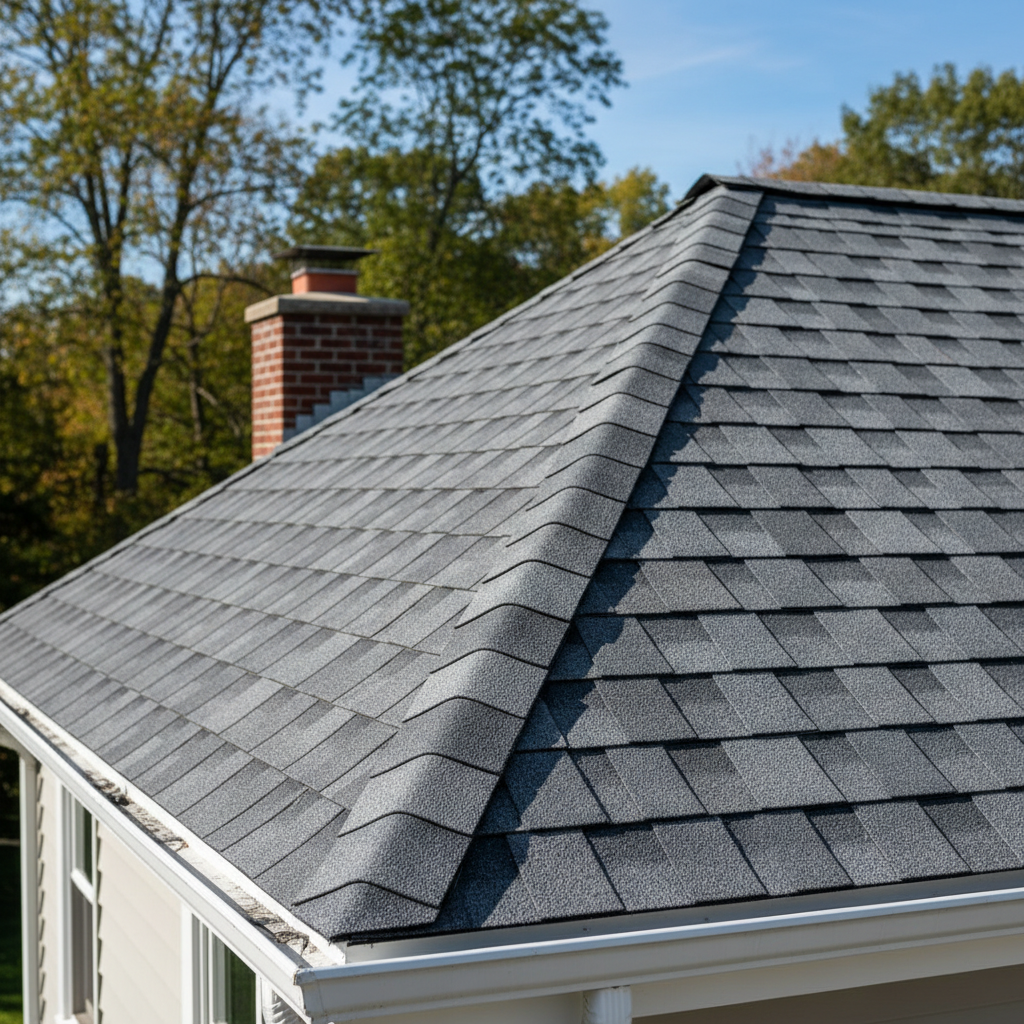
So, you're building a new home here in Lexington? That's really exciting! A lot goes into a new build, and it's easy to get caught up in floor plans, finishes, and landscaping. But let's talk about something truly critical that often gets less attention than it deserves: your roof.
A new construction roof isn't just about throwing some shingles on top, you know. It's a big investment in your home's longevity, its energy efficiency, and how well it protects everything inside. As someone who's been around these parts for years, I've seen countless new builds, from the classic colonials in the Merriam Hill area to more modern designs popping up all over. Getting the roof right from the start really saves you headaches and money down the road. Here's what you need to know.
Before the Shingles Go On: Planning & Prep
This is where you, the homeowner, have the most influence. Please don't just leave it all to your general contractor without understanding the basics. You're making decisions that will last for decades, after all.
- Roofing Material Choices: You've got options, quite a few actually. Asphalt shingles are the most common and cost-effective, and they're durable enough for our tough New England winters. Metal roofs are gaining popularity for their longevity and energy efficiency, though they do cost more upfront. Then there are synthetic options, cedar shakes, and even slate for those truly high-end custom builds. Think about your budget, your home's style, and how long you plan to stay in the house. A good contractor will walk you through the pros and cons of each one.
- Underlayment and Ventilation: These are the unsung heroes of your roof system. A quality underlayment (often synthetic now, not just felt paper) provides an extra layer of protection against water getting in, which is especially important with our freeze-thaw cycles. Proper ventilation, including soffit and ridge vents, is absolutely crucial. It helps regulate attic temperature, prevents ice dams, and extends the life of your shingles. Don't let anyone skimp here; it's a small cost for huge benefits, truly.
- Warranty Details: Make sure you understand the manufacturer's warranty on the materials and your contractor's warranty on the workmanship. They're usually separate things. A reputable roofing company like Skyline Roofing & Siding will offer a solid workmanship warranty, often 5-10 years, on top of the material warranty, which can be 25 years to a lifetime. Read the fine print!
During Construction: What to Watch For
You're not expected to be up on the roof with the crew, obviously, but you can still be an informed observer. Communication with your general contractor and the roofing sub-contractor is key.
- Scheduling and Weather: Roofing requires specific weather conditions. It can't be too cold, too wet, or too windy. Our spring and fall can be pretty unpredictable around here. Be prepared for potential delays if the weather turns. Rushing a roof installation in bad weather is just asking for problems.
- Material Delivery and Storage: Make sure materials are stored properly on-site. Shingles left exposed to the elements or stacked incorrectly can be damaged before they even get installed.
- Installation Practices: While you won't be inspecting every nail, you can ask your general contractor about the roofing crew's experience and certifications. Are they using proper safety equipment? Are they cleaning up debris daily? A tidy job site usually indicates a more professional crew. You should see drip edge installed, proper flashing around chimneys and vents, and consistent shingle alignment.
- Your Role: Your main job here is to ask questions and trust your GC to manage the subs. If something looks off or you have a concern, bring it up immediately. Don't wait until the roof is finished.
After the Roof is Done: Maintenance & Care
A new roof doesn't mean zero maintenance. It means minimal maintenance, but it's still important.
- Initial Inspection: Once the roof is complete, do a visual check from the ground. Look for any obvious issues like missing shingles, uneven lines, or excessive debris. Your contractor should also do a final walk-through.
- Gutter Cleaning: This is something you can definitely do yourself, or hire someone for. Keep your gutters clear of leaves and debris, especially after our autumn leaf fall. Clogged gutters can lead to water backing up under shingles and causing damage.
- Tree Trimming: If you have trees overhanging your new roof, keep them trimmed back. Branches scraping against shingles can wear them down prematurely, and falling branches are a major hazard.
- Annual Check-ups: I recommend a professional roof inspection every few years, or after a major storm. It's like a check-up for your car – catching small issues early prevents big, expensive repairs later. This isn't something you can do effectively yourself without specialized equipment and training, for sure.
Building a new home is a big undertaking. Don't let the roof be an afterthought. By being informed and working with experienced professionals, you'll ensure your new Lexington home is protected from the top down for years to come.